

What is Hotel and Bar Fans
Hotel and bar fans offer both functionality and aesthetic appeal. Businesses in the hospitality and bar industry are dedicated to delivering exceptional guest experiences, where every detail, including comfort, ambiance, and operational efficiency, plays a pivotal role in creating a welcoming atmosphere. Incorporating ceiling fans into hotels and restaurants is a great strategy to enhance guest comfort subtly yet significantly.
Benefits of Hotel and Bar Fans
Energy Efficiency and Cost-Effectiveness
Hotel fans also align with the growing demand for sustainable practices within the hospitality industry. Incorporating energy-efficient appliances can reduce carbon footprint while promoting environmental responsibility. This leads to lower energy consumption and costs. For larger venues, these savings can be even more significant.
Improving Air Quality
Hotel fans enhance air circulation by dispersing heat and stuffiness that can accumulate in crowded spaces. This subtle effect can help maintain a fresh and pleasant environment. In these conditions, improved air circulation makes indoor environments more breathable and comfortable, enhancing guest comfort in all climates.
Enhancing Aesthetic Appeal
Modern hotel fans come in a variety of designs that can complement or even define the decorative theme of a space. Their versatility suits most interior styles, from sleek and contemporary to ornate and traditional. Beyond their practical uses, fans can serve as dynamic visual focal points. A premium hotel fan can contribute to the overall ambiance of a room and elevate its aesthetic appeal.
Creating Comfortable Environments
Hotel fans are adaptable to various settings within the hospitality environment, like indoor dining areas and lobbies. They provide comfort without the need for excessive HVAC system use, making them a versatile solution for maintaining comfortable temperatures in different areas of a hotel or restaurant.
Why Choose Us
Our Certificates
Our motor quality is at the forefront of the industry and we have certifications such as IS09001, CE, EMC and so on.
Product Application
These products are suitable for various applications such as factories, warehouses, logistics centers, gyms, sports centers, shopping malls, food courts, barns, livestock barns, stables, and other open or high spaces in industrial and commercial sites.
Production Equipment
We use several types of production equipment, including wire-winding machines, drying cabinets, insulation withstand voltage testers, CMMs, dynamic balancing machines, motor comprehensive testers, and pneumatic presses.
Production Market
Our market extends across China, Europe, the Middle East, Asia, and South America. Each year, we sell around 12,000 sets of HVLS fans and 15,000 sets of PMSM motors.
Types of Hotel and Bar Fans
Restaurant Ceiling Fans
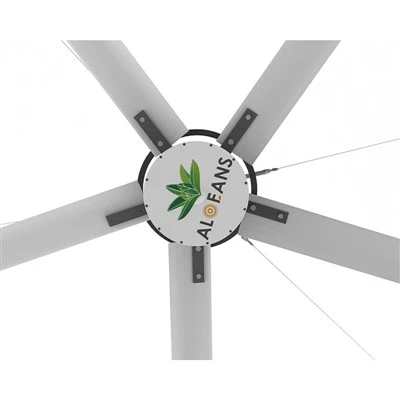
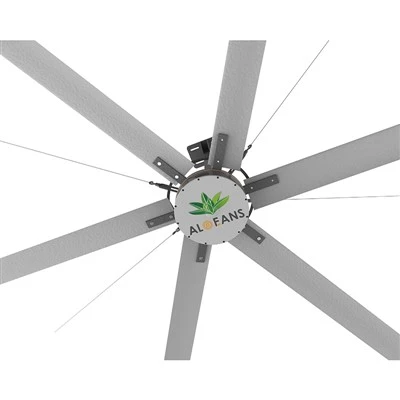
Restaurant ceiling fans are designed to enhance the dining experience and improve air quality. The slow rotation of the fan provides uniform air flow, enhances comfort, and reduces odor and smoke in the air, which is essential for providing a fresher dining environment. Our fans are silent and natural wind flow. In hot summer, they are more energy-efficient when used with air conditioners.
Hotel Ceiling Fans
There are many public areas in hotels and bars, with large areas and frequent population.If there is an environment with breeze flow, it can be better to comfort your customers, such as lobby, meeting room, bar, gym. Our hotel fans can improve air circulation, reduce air conditioning load, improve air quality, easy to maintain and clean, and low carbon and environmentally friendly.
If you already have air conditioning installed and would like to simply save yourself 30% on the running costs then just install a hotel ceiling fan. You can then turn down the setting on the air-con as the extra air movement and associated wind-chill factor will mean that it feels the same the only difference is that you save energy and money!
Existing AC systems are often very noisy–even the so called "quiet" ones–due to the tiny fans inside that have to spin fast to make any impact. No so when you install a hotel fan since the setting of the AC can be turned down low as it only needs to trickle out a small amount of cool air while the fans takes over the job of providing a gentle and totally quiet stirring. This creates the perfect solution for the guest who now has a choice of what he wants to ensure a great night’s sleep.
What are Hotel and Bar Blades Made Of
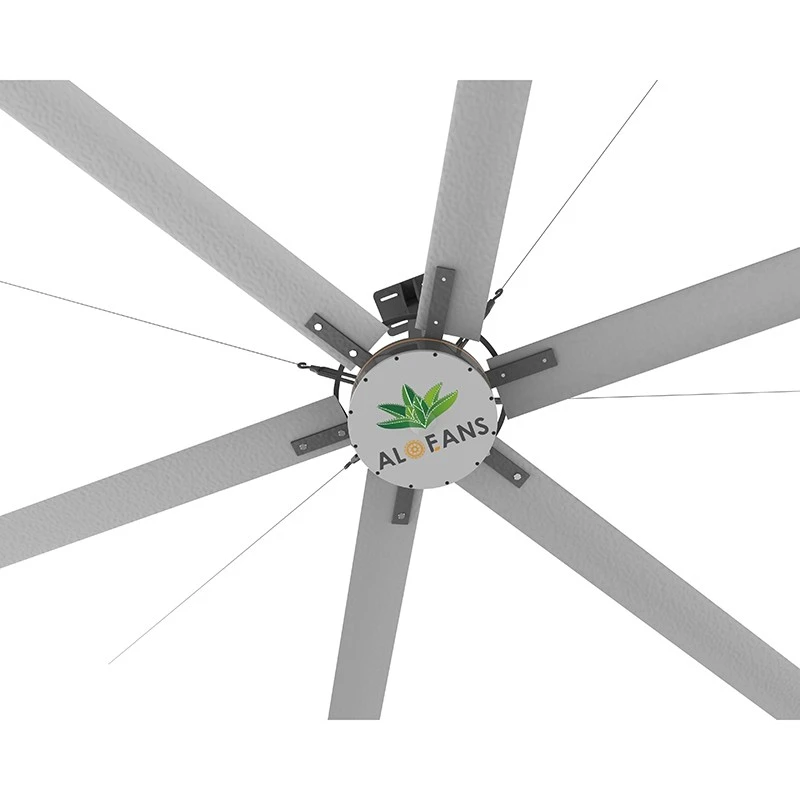
Hotel and bar fans blades are available in several different materials. Common materials used for fan blades include metal, wood, and plastic. Depending on the usage conditions and required aesthetics, you may want to choose one fan blade material over the other.

Metal Fan Blades
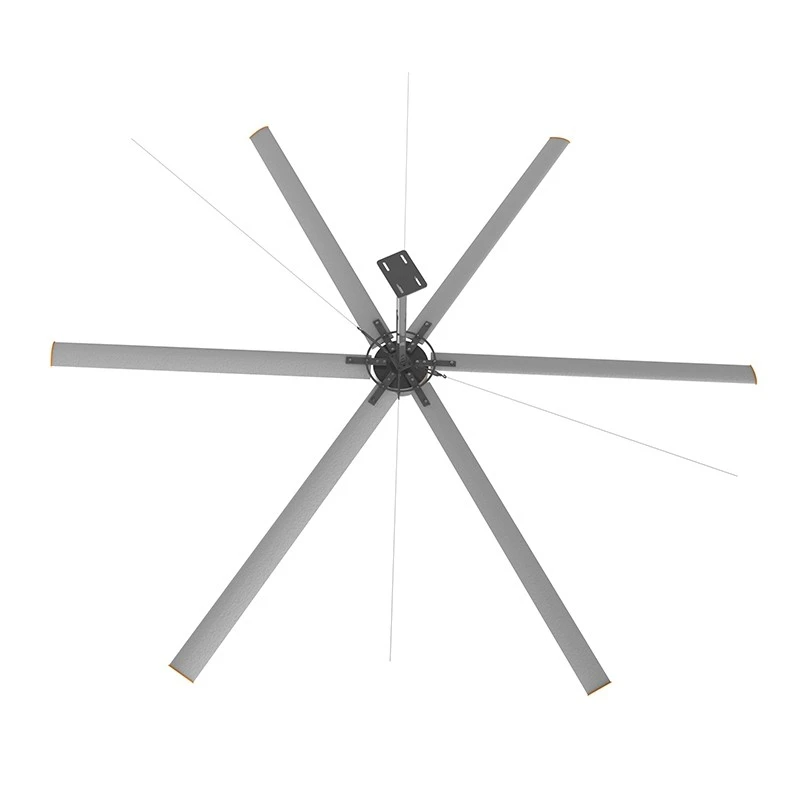
Metal fan blades are very durable. They also offer a more modern look. However, they can be heavy and require more energy to move air. On the upside, metal ceiling fan blades offer a sharp look and can be painted to match the decor of your room.
Wood Fan Blades
Wooden fan blades are popular for their natural look and feel. They often come in different shades and designs, which allows you to create a unique look in your room. To prevent warping or other damage, these types of ceiling fan blades are usually finished with a protective sealant or varnish.
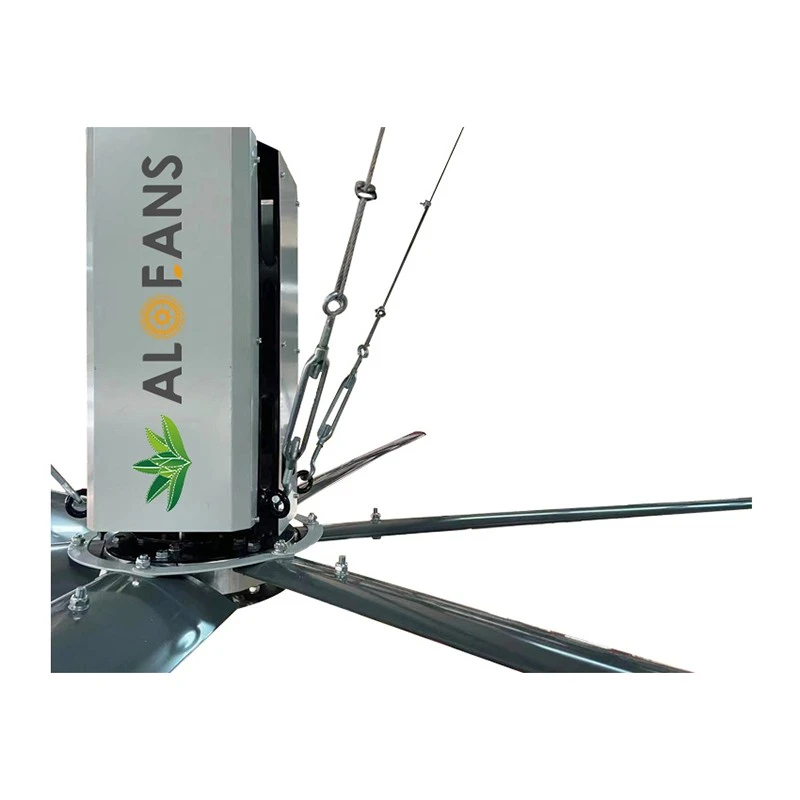
Plastic Fan Blades
Plastic fan blades offer the perfect balance between modern and traditional. They can also be painted or stained in many colors, which makes them so versatile. Plastic is lightweight and available in almost any shape, from the bizarre to the artistic. Most importantly, you can use plastic fan blades in both dry and damp conditions.
Guest Rooms: Hotel ceiling fans can be installed to enhance air circulation and improve comfort. Fans in guest rooms help maintain a cool environment, especially when air conditioning is not required or during mild weather.
Lobby and Reception Area: Installing hotel fans in the lobby provides a welcoming atmosphere for guests, maintaining a pleasant temperature and air movement as they check in or out of the hotel.
Restaurant and Dining Areas: Hotel ceiling fans can be placed in hotel restaurants or dining areas to improve ventilation and keep the air fresh while guests enjoy their meals. This is especially helpful in outdoor or semi-open dining spaces.
Conference and Meeting Rooms: Hotel fans can be installed in conference and meeting rooms to ensure air circulation, reducing the need for air conditioning during meetings or events. This helps create a more energy-efficient environment.
What is the Optimal Height for Installing in Hotel and Bar Fans
The ideal height for a ceiling fans is 8 to 9 feet. In any case, the bottom of the fan needs to be a minimum of 7 feet off the floor. Hugger, low-profile, or flush-mount ceiling fans are best in rooms with ceilings that are about 8 feet or lower. Standard ceiling fans with downrods are better for ceilings that are over 8 feet since they better circulate air in the room.
Basic downrods are usually 3 to 5 inches long, but you can get longer ones ranging from 6 inches to 120 inches for high ceilings. Choose a downrod length based on the ceiling height so the fan sits 8 to 9 feet above the floor. The ceiling fan body usually measures about 8 to 12 inches; the length of the downrod is added to that.
To calculate the downrod length, start with the ceiling height measurement. Say you have 12-foot ceilings and your ceiling fan is 12 inches high, which brings the measurement down to 11 feet. If you want the ceiling fan to hang 9 feet off the floor, subtract that from 11 feet to get 2 feet. A downrod of 2 feet, or 24 inches, would position the fan 9 feet high.
Airflow
A variety of factors like motor size, blade pitch and blade materials contribute to the amount of air a hotel fan moves. Today fans are rated by airflow and airflow efficiency. These standardized ratings allow you to compare one fan to another without being an expert on motors and materials. The higher the airflow (cubic feet per minute), the more air the fan moves, and the better the airflow efficiency, the more air is moved per watt.
Control
While every hotel fans is controlled by some means, you often have options to add or change it. Remotes, wall controls or even multiple controls can allow you to adjust lighting, speed and the direction of the blades with additional convenience.
Size and Scale
Choosing a hotel fans of an appropriate size and scale is essential to ensure adequate air circulation without overwhelming the space. The fan should be proportional to the room's dimensions and ceiling height to maintain balance and enhance the room's aesthetic.
Style and Design
A hotel fans design should harmonize with the interior décor to enhance the room's visual appeal. Whether aiming for a statement piece or a subtle complement to the existing style, the design of the fan is a crucial consideration in achieving the desired aesthetic.
Durability and Maintenance
In high-traffic hospitality settings, choosing ceiling fans that are durable and require minimal maintenance is vital. Fans designed for commercial use often feature robust construction and easy-to-clean components, ensuring longevity and consistent performance.
Cost
Checking the cost of the hotel fans is important as the price of the fans that are available in the market are based on design, technology, features settings, mount as well as its placement and installation environment (indoor or outdoor setting).
How to Maintain Hotel and Bar Fans
Clean out the fan
Cleaning a hotel ceiling fan should be done at least once a year. You, however, need to reach it first by standing on a stool or something elevating. Start by cleaning the blades with a brush and then use a damp cloth that has been dipped in soapy water to remove the remaining sticky stains. Leave the fan to dry on its own before using it again. Also, you can vacuum out the motor as dust can accumulate on it and cause a fan to run slow.
Tighten all screws
Hotel ceiling fans are made of different parts that are put together using screws. While the fan is running, it generates small vibrations that loosen some of those screws. You can detect loose screws through a noisy or shaky fan. Simply use a screwdriver to tighten back those screws with a special focus on the fan, ceiling plate, and the light fixture – if available.
Lubricate the fan
Some hotel ceiling fans require periodic lubrication to operate smoothly. Use any light oil (similar to the oil used on a sewing machine), to fill the oil hole that is located on the top side of the motor. Fill this hole till the oil flows over and rinse the excess with a tissue or rag.
Check for movement
It is important to check your hotel ceiling fan for movements or wobbles. The center of the fan should not make any side movement while the fan is in operation. If it does, the fan needs to be balanced. You can use a fan balance kit to do this. Also, it is important to note that a faulty blade may cause a fan to wobble. Check to see if there are parts missing on blades. Lastly, it is important to check if there is any bent or warped blade. You can do this by removing all blades and place each on top of another. The blades should fit perfectly on top of another.
Certificate


FAQ
As one of the leading hotel and bar fans manufacturers and suppliers in China, we warmly welcome you to wholesale cheap hotel and bar fans from our factory. All our products are with high quality and competitive price. Contact us for quotation.
RESTAURANT FANS, , hotel and bar fans